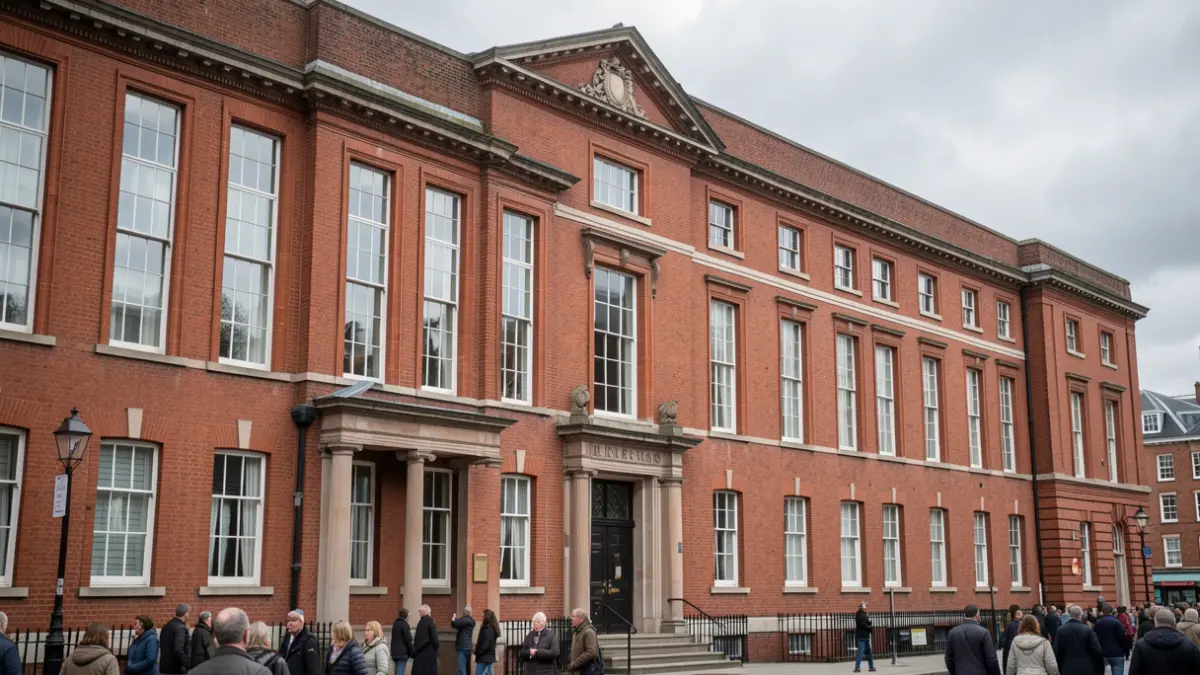
Baljit Dhanda, a runner from London, experienced a cardiac arrest in February. Fellow runners administered CPR and used a defibrillator at the scene before he was transported to Hammersmith Hospital. Over the course of three cardiac arrests, his heart stopped for a total of 26 minutes.
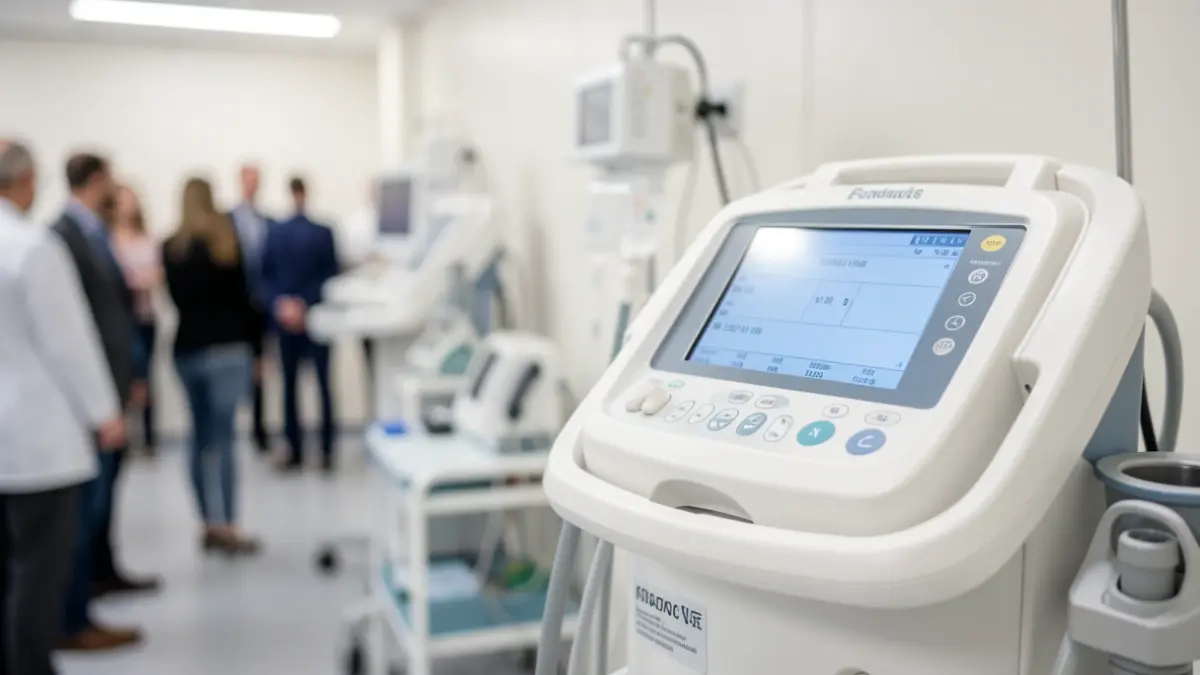
Doctors discovered that the main arteries supplying blood to his heart were completely blocked. To support his recovery, the hospital team utilised veno-arterial extracorporeal membrane oxygenation (VA-ECMO), an advanced life support machine that temporarily takes over the function of the heart and lungs. This allowed the team to insert a stent to reopen his arteries, enabling his heart to restart and recover over the following days.
Hammersmith Hospital is one of a few NHS sites offering ECMO support for cardiac arrests, funded in part by the Imperial Health Charity. Baljit was the first patient at the hospital to receive ECMO while still in cardiac arrest and undergoing CPR. After a week on ECMO and subsequent care in intensive care and on the cardiology ward, Baljit has made a remarkable recovery.
Just seven months after his ordeal, Baljit has resumed running 5k and plans to complete a 10k next year. He has also begun volunteering with the Imperial Health Charity to support other patients and express his gratitude for the life-saving machine.
Baljit recently reunited with the staff who cared for him, explaining how the ECMO treatment was crucial to his survival. "You improved my chances of surviving my cardiac arrest from zero to 30 percent, and it’s saved my life," he stated.
Dr Louit Thakuria, critical care consultant at Imperial College Healthcare NHS Trust, described Baljit's case as "truly remarkable and inspiring," noting that he was the first patient to receive ECMO while still receiving chest compressions for a cardiac arrest. He added, "Without this treatment, Baljit would have died."
Dr Thakuria also highlighted the importance of learning CPR, stating, "The quick actions of runners in the park undoubtedly saved Baljit’s life and bought him time, to get to the hospital and receive more life-saving treatment."
Baljit's wife, Sarah, commended the staff's kindness and willingness to answer questions, which helped the family understand the situation. She also noted the staff's attention to detail, such as warming the blood and providing blankets.
Consultant cardiologist Henry Seligman, who cared for Baljit, was inspired by his patient's fitness and recovery to overhaul his own lifestyle. "It’s thanks to Baljit that I have completely changed my own health," Seligman said, having taken up biking and running.