
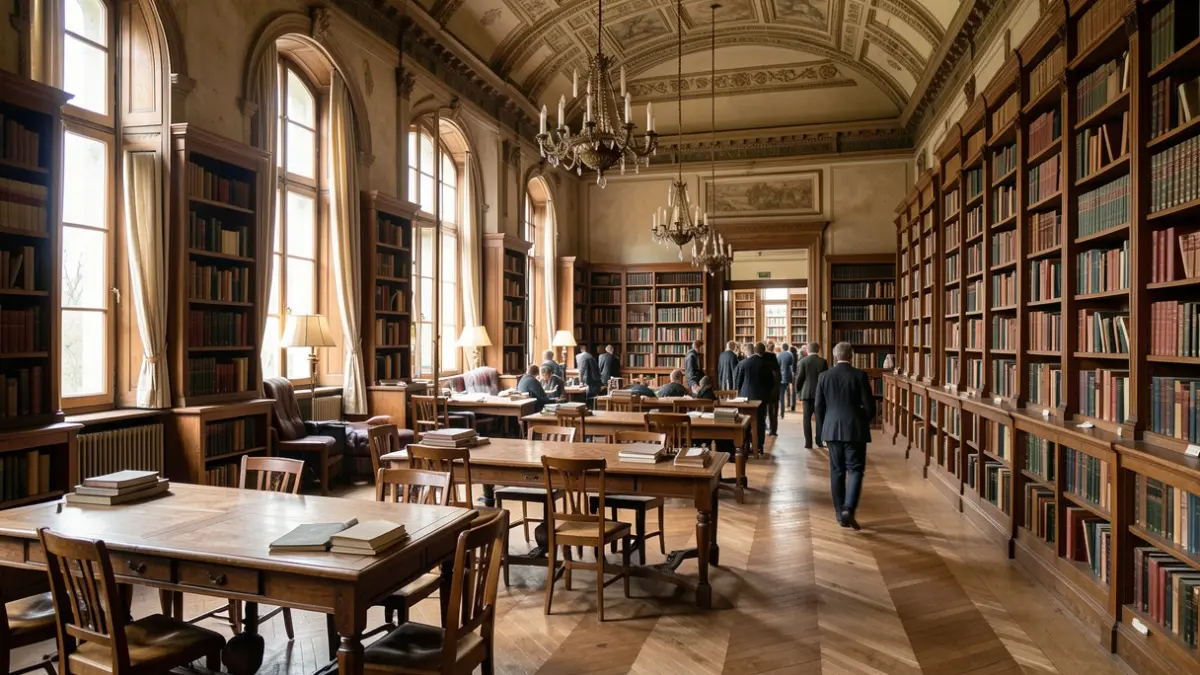
Dr Paul Bate, who joined the institution less than two weeks ago, has outlined the necessity of these changes to ensure the library remains relevant, valued, and financially secure. He highlighted the profound impact of the digital shift and a cyber-attack on the library's operations. In-person visits to Reading Rooms have dropped significantly, from nearly 400,000 a decade ago to around 162,000 last year, with a corresponding 81% decrease in the use of physical collections. This has led to a substantial increase in cost per reader visit.
The library is currently facing a financial deficit, with real-terms government funding reduced by a third since 2010. This year, expenditure is expected to exceed income by approximately £7 million, with forecasts predicting this deficit to grow to over £8 million next year and nearly £11 million the year after. Dr Bate stated that without action, core services would be under threat.
The strategy, 'Growing Knowledge', published last month, aims to reimagine the British Library for the 21st century, ensuring core services remain freely available and adapting to changing researcher needs. The repurposing of three Reading Rooms, reducing available seats by around 20%, is expected to generate approximately £3.5 million annually by year three, rising to over £4.5 million by year 10. This income will be reinvested into library services and help mitigate the need for more drastic savings.
The new business spaces, which will include flexspace, resident desks, office rental, and meeting room hire, are intended to support small businesses and local entrepreneurs, aligning with the library's founding legislation to serve industry. These new spaces are not expected to open before the second half of 2027, allowing for extensive engagement with staff and users on how best to support research needs.
Dr Bate emphasised that while the changes are to the rooms themselves, access to collections and services will remain the same. The income generated will support the library's core research and learning purposes, ensuring the remaining 1,100+ seats in the other eight Reading Rooms stay free for all users.