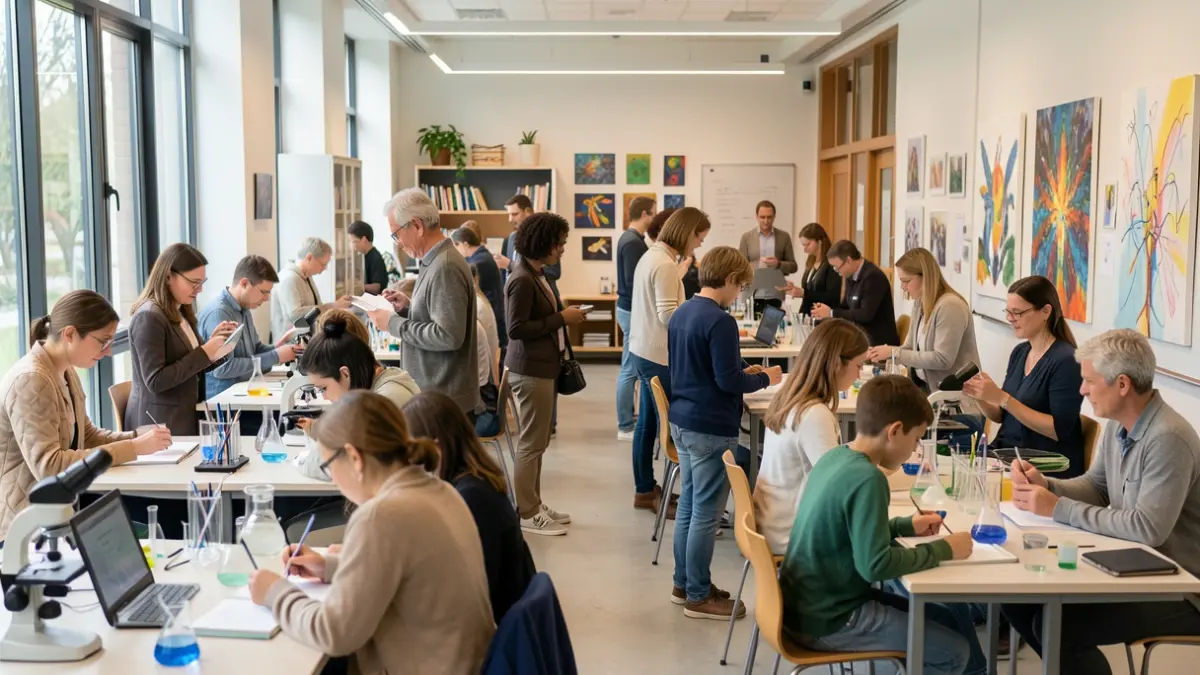

St Mary's University has established the Centre for Applied Health and Wellbeing, a new initiative dedicated to fostering research and collaboration to address pressing health and wellbeing challenges. The launch event, held on Friday 9 October at The Exchange in Twickenham, coincided with World Mental Health Day 2026.
The event, titled 'Celebrating World Mental Health Day 2026: Research, Voices & Collaboration', convened policymakers, NHS organisations, community groups, healthcare professionals, researchers, and individuals with lived experience. Discussions focused on how evidence-based approaches and collaborative efforts can enhance health and wellbeing outcomes.
During the event, the White Paper 'Availability Is Not Accessibility' was also unveiled. This paper, led by Dr Arlinda Cerga Pashoja, investigates the obstacles faced by migrant communities in accessing digital primary and mental healthcare services across London.
The Centre for Applied Health and Wellbeing aims to bridge the gap between interdisciplinary research and policy, professional practice, and community engagement. Its objective is to contribute to solving health and wellbeing issues.
The White Paper highlights the significance of this integrated approach by examining how barriers can emerge at various stages of the healthcare journey, from GP registration to accessing consultations, referrals, and treatments. It proposes nine practical recommendations for enhancing digital healthcare pathways and includes a Toolkit to assist healthcare providers and community organisations in evaluating and improving their services.
“"Digital healthcare only works when people can understand it, trust it and get help when they need it. We need to look beyond whether a service is available online and ask whether people can actually navigate it and access the care they need. That means designing pathways around people's experiences, with human support and alternatives when digital routes create barriers."
A panel discussion at the event addressed the disparity between policy objectives and the actual experiences of individuals accessing healthcare services. Participants noted that factors such as language, trust, and cultural differences can impede healthcare access, alongside the challenges faced by professionals in translating policy into practical application.
The importance of involving individuals with lived experience in the design of services and ensuring that research translates into tangible improvements was also emphasised. The event underscored the value of bringing together researchers, healthcare professionals, policymakers, and communities to identify barriers, share expertise, and develop effective strategies for meaningful change.