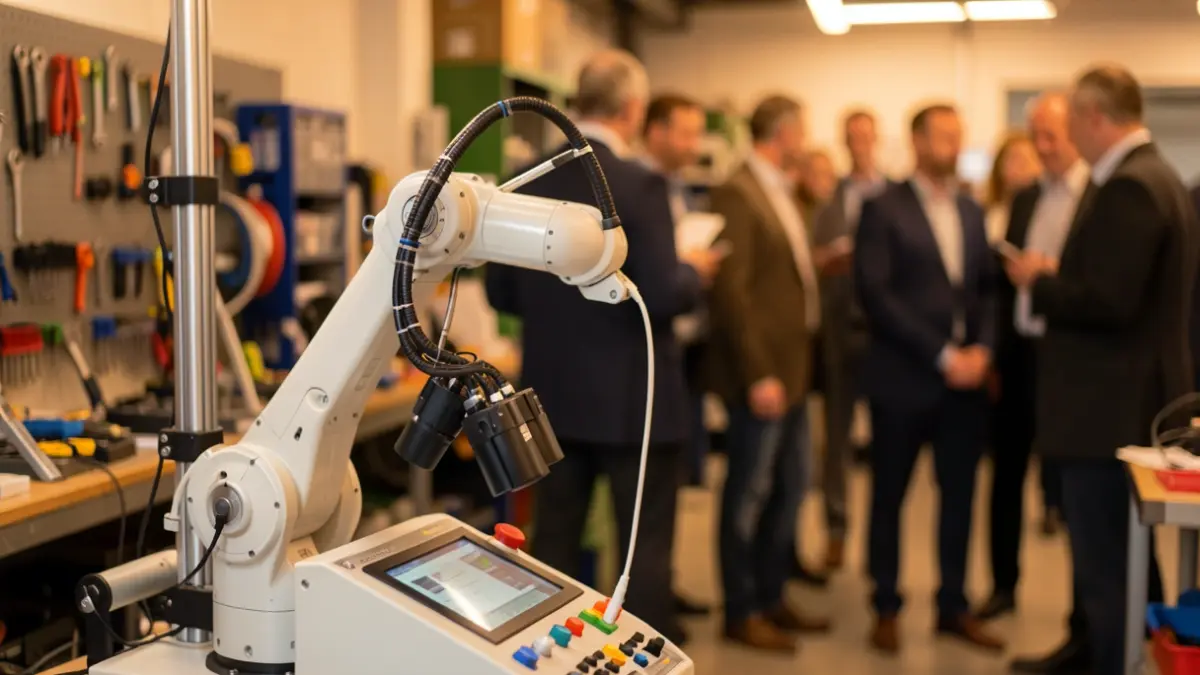
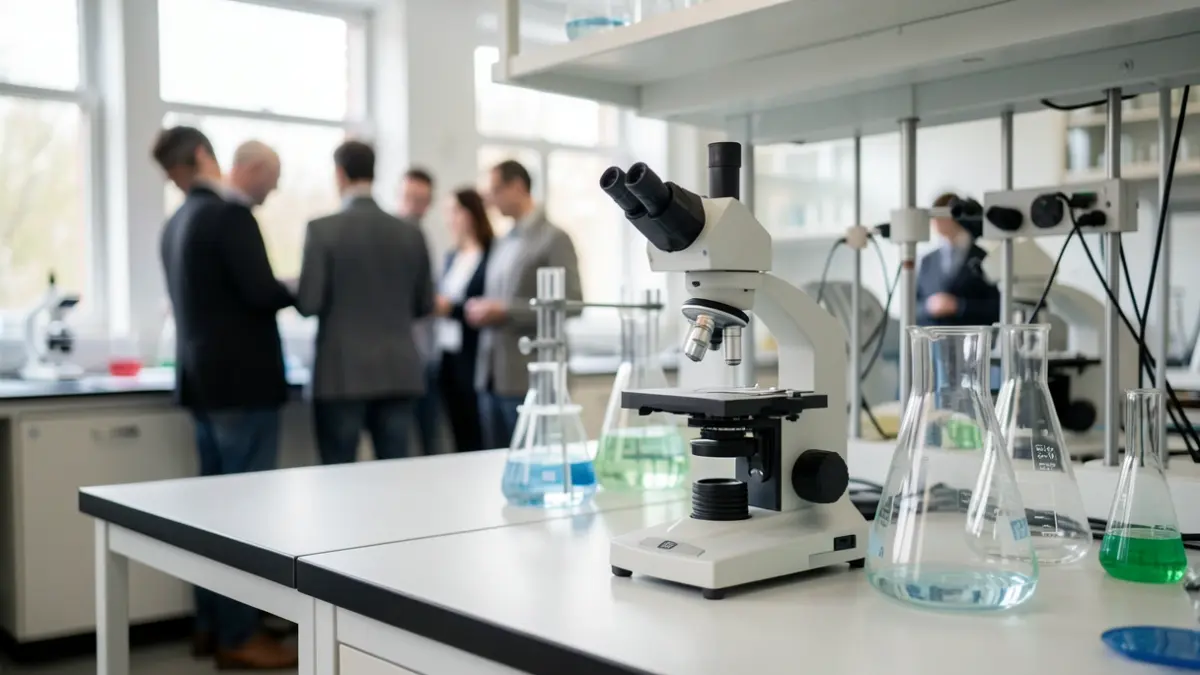
The award-winning project, titled Building AI Literacy Through the Polymer Waste Challenge, is a two-week undergraduate chemistry programme that integrates machine learning, sustainability, and hands-on laboratory work. The initiative challenges students to identify and recycle polymer waste, addressing key obstacles in the industry such as distinguishing between different polymer types and finding sustainable methods to transform waste materials into valuable products.
Led by Dr Benji Fenech-Salerno, Dr Rebecca Haselgrove-Jones, and Dr Laura Patel from Imperial College London, alongside Dr Martin Holicky from Matoha Instrumentation, the project utilises PlasTell spectrometers provided by the industry partner. Students collect infrared spectra from polymer samples and employ generative AI tools to develop and refine machine-learning models capable of distinguishing between various polymers. These models are then tested against real spectra, allowing students to understand both the power and limitations of AI in scientific contexts.
“"We’re delighted that the Royal Society of Chemistry has recognised this project. It shows there’s real appetite for teaching AI as a core scientific skill rather than something to be kept out of the lab."
Unlike approaches that restrict AI use, this programme encourages critical engagement. Students apply their findings to synthetic chemical recycling experiments, converting waste into valuable products while developing practical coding, data analysis, and systems-thinking skills. The interdisciplinary nature of the project prepares graduates for cross-disciplinary scientific careers, combining chemistry, machine learning, and sustainability assessment.
Student feedback highlighted the value of this distinctive laboratory experience. In anonymised surveys, participants reported an average 18% increase in confidence across machine learning and polymer recycling skills. The Royal Society of Chemistry's Horizon Prize for Education celebrates exceptional educators making outstanding contributions to chemistry education, recognising innovative approaches that enhance student learning and skills development.