
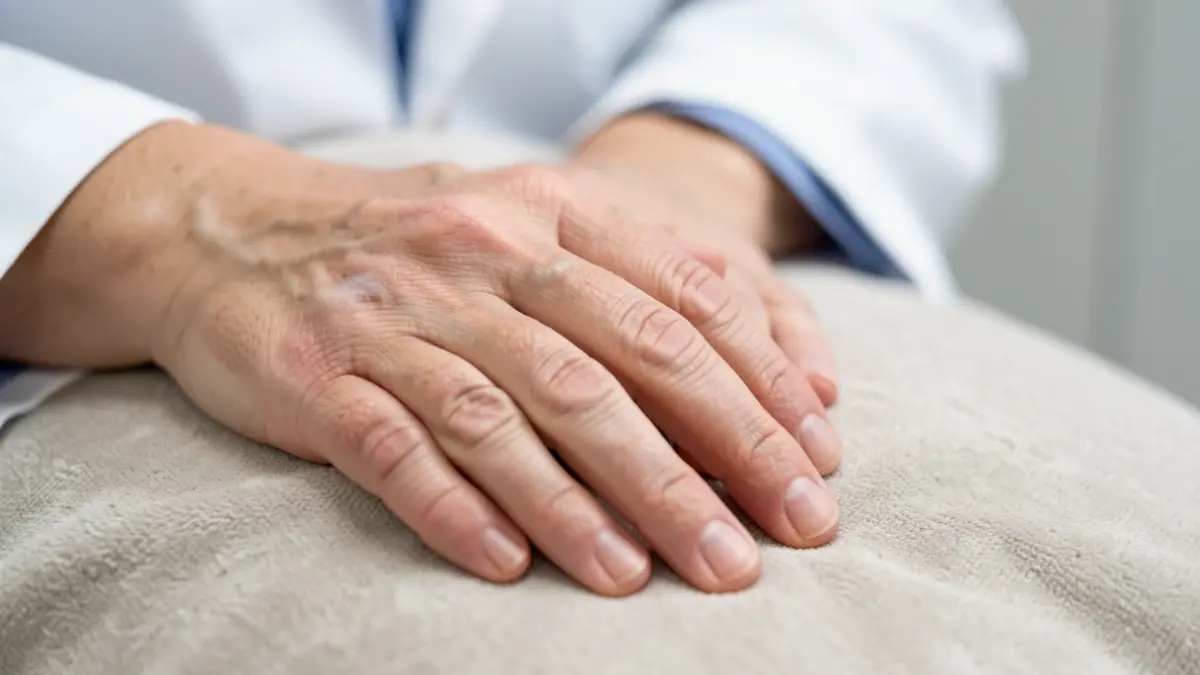
The study, led by Dr Fiona Watt, Clinical Associate Professor in Rheumatology, will examine whether transdermal oestradiol, a hormone treatment delivered through the skin, can effectively reduce pain compared to a placebo. Hand osteoarthritis is a common and often disabling condition, particularly affecting women over 50, with current treatments unable to alter its progression.
Research suggests a decline in sex hormones around menopause may contribute to hand osteoarthritis. However, this is the first definitive clinical trial to evaluate the therapeutic role of HRT for this condition. Dr Watt stated, "Hand osteoarthritis affects millions of men and women in the UK and can have a devastating long-term impact on daily activities, ability to work and quality of life."
The HOPE-E2 trial builds on the success of the earlier HOPE-e study, which confirmed the feasibility and acceptability of a larger trial for women with hand osteoarthritis. The project, funded by the UK government agency NIHR, involves a multidisciplinary collaboration between Imperial College London, the Universities of Leeds, Keele, Oxford, and Hertfordshire, with input from public contributors.
Set to begin in October 2026 and run for 43 months, participant recruitment is anticipated to commence in mid-2027. If successful, the study could introduce a novel treatment approach for managing hand osteoarthritis in this patient group and enhance understanding of the role of sex hormones in the disease.