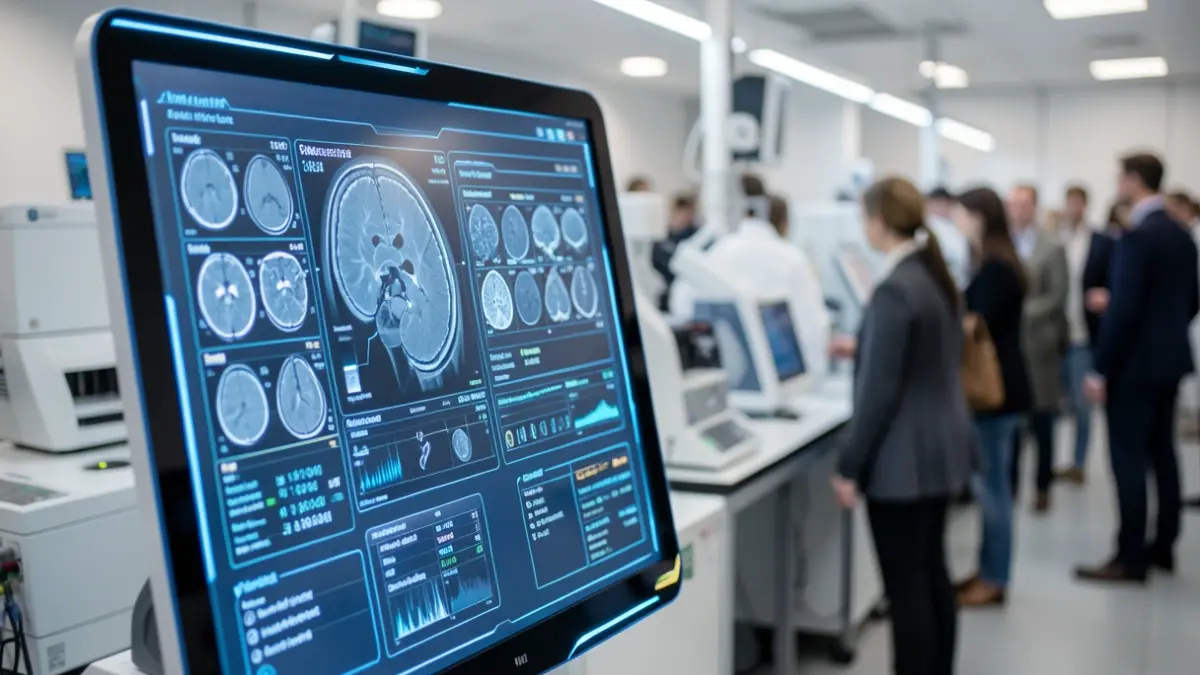
The winning technology, known as GenMRI, aims to rebuild and enhance MRI images to diagnostic quality, potentially reducing a 20-minute scan to just two minutes. This innovation could significantly alleviate bottlenecks in medical imaging, leading to shorter waiting lists and quicker diagnoses for conditions such as stroke and cancer.
Founded by Mary-Brenda Akoda, an AI and Machine Learning graduate, GenScan AI received £30,000 in funding after pitching their business to a panel of experts. The company believes its software could enable hospitals to scan up to 10 times more patients daily, thereby increasing scanning capacity, reducing backlogs, and minimising the need for repeat scans or sedation.
The Venture Catalyst Challenge (VCC), organised by Imperial Enterprise Lab, supports students, alumni, and early career researchers in developing their startup ideas. The competition involves a three-month programme of coaching and training, culminating in a Grand Final where shortlisted teams pitch to a panel of experts.
This year's expert judging panel included Alastair Kilgour, Founder of Parkwalk Advisors; Asha Haji, Founder and CEO of StayReady Games; and Simon Kim, Co-Founder and CEO of Agnos Biosciences. Chantelle Young, Head of Entrepreneurship, praised the ventures for their innovation and commitment to solving global challenges.
The finalists were divided into five tracks: AI & Robotics, Creative & Consumer, Digital & Finance, Energy & Environment, and Health & Wellbeing. All five finalists received £10,000, with GenScan AI securing an additional £20,000 as the overall winner and for winning the Digital and Finance category. Other prizes included the Moonshot Prize awarded to Miou, the Impact Prize to Beacon Services and Sitfit, and Tech for Good prizes to Passion Bubble and Silica Labs.