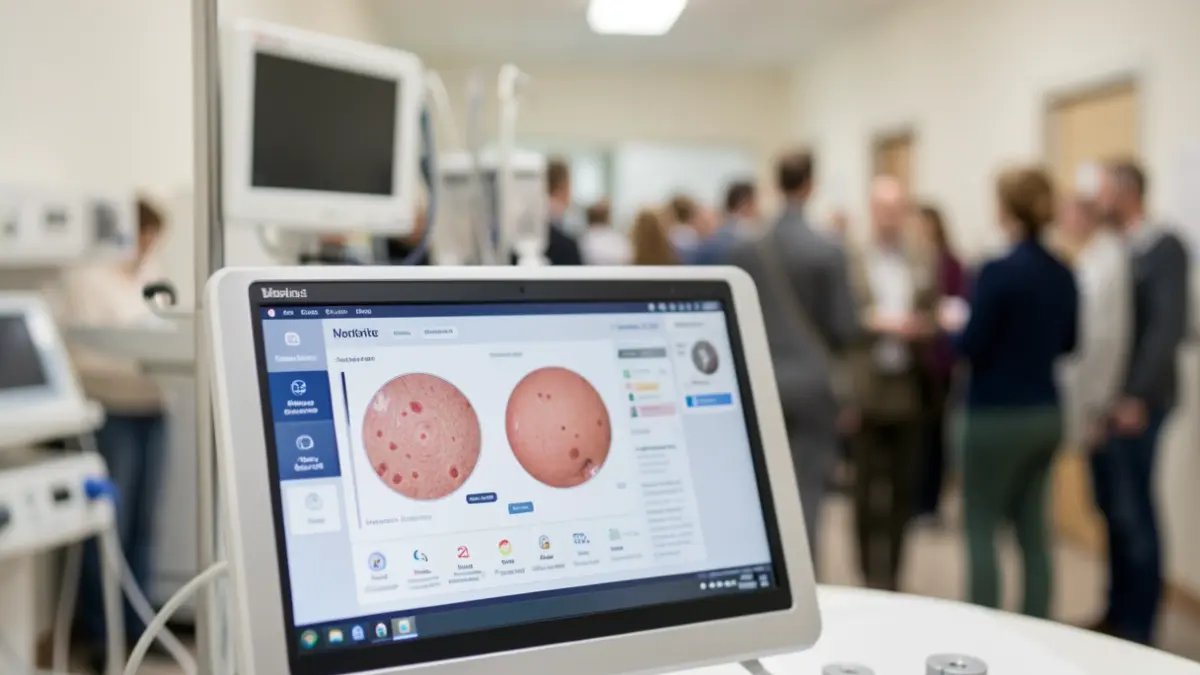
The study, conducted across two hospitals, suggests that an autonomous AI as a medical device (AIaMD) could help alleviate the growing pressure on dermatology services. Urgent suspected skin cancer referrals in England have nearly tripled since 2009, while approximately one in four dermatologist roles in the UK remains unfilled.
The autonomous AI-supported pathway managed 8,391 patients, representing 94% of urgent suspected skin cancer referrals. Overall, 86% of patients consented to autonomous decision-making. Researchers noted this is the first large-scale dataset from a prospective real-world deployment of autonomous AI within a cancer pathway.
The AI autonomously discharged 31% and 25% of patients at the two hospitals without clinician review. Teledermatologists subsequently discharged an additional 24% and 25%. Compared to standard teledermatology, the autonomous pathway reduced the proportion of patients requiring routine follow-up from 27% to 12%, with lower biopsy rates (27% vs. 43% for conventional care).
The pathway is estimated to have saved 2,851 hours of clinician time, a 62% gain in clinical capacity, equivalent to over 8,500 additional face-to-face appointments over the 16-month study period.
“"We believe the greatest value of autonomous AI lies not in the technology itself, but in the specialist capacity it unlocks. Every hour saved reviewing low-risk lesions can be reinvested in patients with skin cancer, helping them access timely treatment to improve prognosis, and in patients with severe inflammatory skin disease, where earlier access to specialist care and effective treatments can transform quality of life."
The rollout of the Trust’s teledermatology service has been supported by the CW Innovation programme, a joint initiative by the Trust and CW+ seeking patient care innovations.