An in-depth study published in Osteoporosis International found that pregnancy and lactation-associated osteoporosis (PLO) causes debilitating multiple fractures, acute and chronic pain, disability, and long-term psychological distress. The condition typically occurs in late pregnancy or during the months of breastfeeding after giving birth, although research has shown that PLO is not caused by breastfeeding itself. It is thought to arise when this happens in women with an underlying vulnerability in their bones.
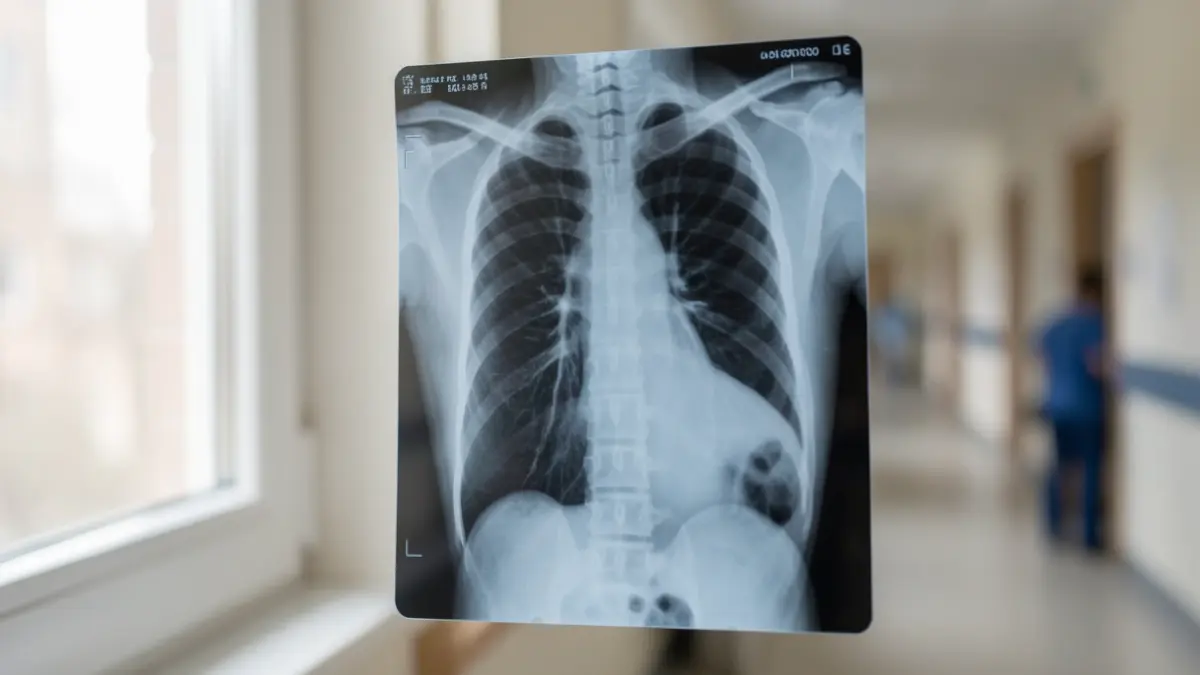
While the condition has been reported in only around 7 in every 100,000 pregnancies in the UK – roughly 50 women a year – the true figure may be higher because milder cases can go undiagnosed. Severe back pain in a new mother may be dismissed as part of the ordinary strains of pregnancy and caring for a newborn, and women may wait months for the correct diagnosis, which requires evidence from an X-ray or MRI scan.
“"For women who have PLO, the effects can be catastrophic. These are young, otherwise healthy mothers who break multiple bones in their spine at precisely the moment they should be enjoying life with their new baby. We found that the physical limitation, chronic pain and psychological toll could last for years. Yet every single woman in our study felt that healthcare professionals did not initially recognise or understand their condition and many waited several months for a diagnosis. We can, and must, do better than this."
In the study, a team from Imperial College London, Imperial College Healthcare NHS Trust, and the Royal National Orthopaedic Hospital NHS Trust, recruited 20 women with the condition along with 20 healthy (control) mothers, who were carefully matched for age and for time elapsed since giving birth. This was to ensure the effects of the disease were separated from typical physical and psychological demands of new motherhood. Participants also completed quality-of-life and mental health questionnaires, and the 20 women with PLO also took part in interviews, as did several of the women’s partners, marking the first time partners have been interviewed in depth in PLO research.
Researchers found that women with PLO sustained an average of almost seven fractures each, with 90% having fractures in the spine. The women waited an average of nearly six months from the onset of pain to a formal diagnosis, with some waiting up to two years. More fractures were also linked to worse outcomes, with the number of fractures correlating significantly with greater physical limitation and more pain.
PLO also severely affected women’s physical function and daily life, greatly limiting their ability to carry out work and everyday activities, compared to those without the condition. Women with PLO also reported greater levels of pain and fatigue than the control mothers. Mental health was also reported to be significantly worse, with women with PLO showing more mild to moderate anxiety/depression than the control mothers, and recording lower emotional wellbeing scores than the control mothers (64/100 versus 88/100, respectively).
Finally, the impact on motherhood was profound. In the qualitative interviews, every woman described guilt at being unable to care for her baby as she had hoped, and two-thirds described a sense of loss over the early motherhood experience. Half said fear of further fractures had deterred them from having more children. Partners were significantly affected too, with those interviewed describing sustained stress and worry and reduced working hours.
The study has immediate implications for frontline care. The researchers say severe back pain or height loss in late pregnancy or during breastfeeding should prompt clinicians to consider PLO, rather than assume a musculoskeletal strain. And they call for quality-of-life and mental health to be assessed routinely, once PLO is diagnosed. The researchers added that women who are concerned about their bone health during or after pregnancy should speak to their GP or bone health specialist in the first instance and before making any decisions.