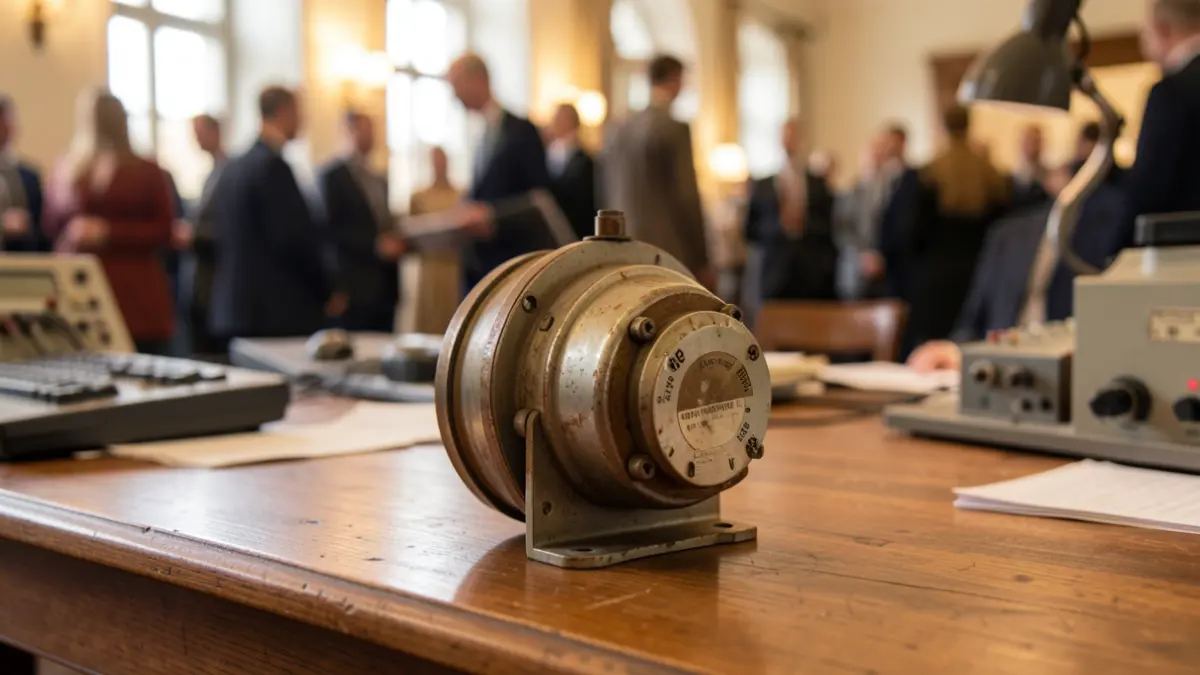
The pioneering machine, which first whirred to life in a room above a food factory on Hammersmith Road, is being celebrated 75 years after its activation. One of the early staff members was Gloria Guy, now 90 and a lifelong resident of Fulham, who has clear memories of her first job with Lyons, the teashop chain.
Initially trained to use a calculator and then a comptometer, Guy was fascinated by the new machinery in the adjacent office and transferred to LEO – Lyons Electronic Office. "I was purely typing numbers, working out the hourly rates of the people in the swiss roll department," she recalled. Her typing generated binary tape, which was checked for accuracy and then fed into the LEO machine. "I had no idea I was working on a piece of history," Guy admitted, reflecting on the significant shift from teams of clerks to automated business tasks like order processing and payroll.
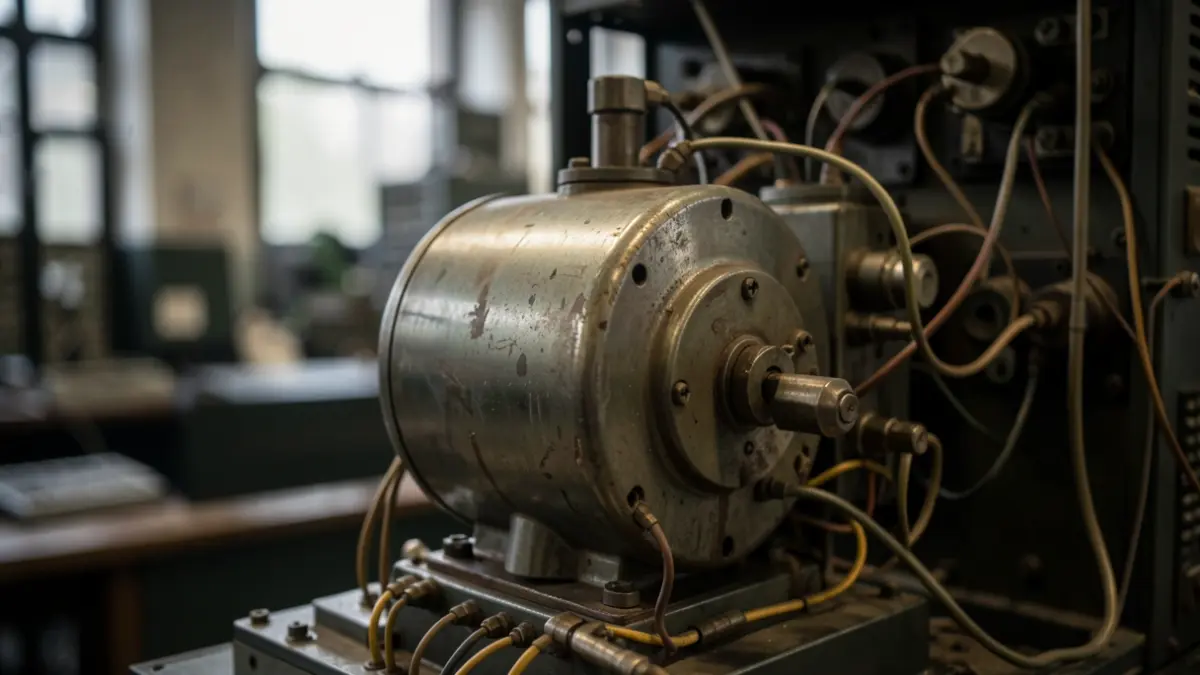
Entering service in 1951, the vast LEO machine, filling 2,500 sq ft and containing 6,000 valves, represented a significant leap in business productivity, despite having only 2KB of memory and running a single programme at a time. This British invention, which made its first calculation at 2.35pm on 30 November 1951, predated similar developments in American research labs. The public's awareness of this invention is something the 75th anniversary aims to rectify.
Gloria Guy, who also enjoyed dancing at venues like the Hammersmith Palais and Fulham Town Hall in her youth, is now on the committee of the Leo Computers Society. She believes recognition for the early business computer developers is overdue. While Cadby Hall, where LEO was developed, was demolished in the 1980s, a stone plaque in Lyons Walk near Olympia commemorates its role in computer history. An English Heritage blue plaque also honours the founder, Joe Lyons, at his former residence on Hammersmith Road.
The article speculates whether Olympia could have become a global technological hub if Lyons had prioritised computing over baking. Guy stated, "I don't honestly know," but added, "I do think it's time to recognise that Leo was the birth of business computing. I'm possibly the only person still living that worked on the first Leo machine in Cadby Hall."
LEO paved the way for the paperless office and moved computers from laboratories into practical office use, briefly placing Britain at the forefront of global business technology. LEO computers were installed in various British offices, including Ford and the Met Office, and were used for tasks such as calculating railway fares, a job that took LEO 18 months compared to an estimated five years for 50 people. An updated version was shown to a young Princess Elizabeth in February 1951 and continued running until 1965.